






Selecting the right mining equipment is a strategic and critical decision that underpins the safety, efficiency, and long-term profitability of any mineral extraction project. The choice is fundamentally driven by a complex interplay of geological constraints, operational requirements, and, significantly in the African context, specific local infrastructure and economic realities.
For a nation like Nigeria, with its vast and diverse solid mineral deposits—including gold, iron ore, coal, and new critical minerals like lithium and cobalt—equipment selection must be meticulously planned to overcome prevalent infrastructural and logistical challenges.
Foundational & Geological Considerations
The physical context of the mine site is the primary determinant of equipment type and size.
Geology Characteristics
Mineral Hardness and Abrasiveness: This dictates the necessary power and durability for extraction and processing machinery. Extremely hard rock, common in deposits across states like Kogi (iron ore) or the Jos Plateau (tin/columbite), necessitates heavy-duty drilling rigs, potent blasting tools, and robust jaw/cone crushers. Softer materials like coal or some alluvial deposits require less powerful, higher-volume machines.
Deposit Geometry and Location: Whether the deposit is deep underground, near the surface (open-pit), or spread out in riverbeds (alluvial) determines the mining method and, consequently, the entire equipment fleet. Underground operations demand compact, highly maneuverable equipment (e.g., roof bolters, LHDs), while surface mines require massive excavation and hauling units.
Particle Size and Density: These factors influence the required bucket capacity of loaders, the crushing circuit design, and the final material handling systems like screens and conveyors, ensuring optimal material flow.
Site Environment and Climate
Topography and Terrain: Nigeria’s diverse landscapes, from rugged hills to marshy areas, mean equipment must be selected for specific terrain. Operations in uneven, rocky areas need machines with reinforced tracks and stable designs.
Rainfall and Soil Type (The Nigerian Challenge): High annual rainfall in many regions can lead to soft, muddy ground and high humidity. Equipment must be weather-resistant and capable of low ground-pressure operation (e.g., LGP dozers, tracked dump trucks) to prevent bogging down, which is a major cause of downtime on African sites.
Operational and Technical Performance Factors
This focuses on the machine’s ability to integrate into the overall production plan.
1. Efficiency, Capacity, and Compatibility
Production Rate Matching: Equipment selection must achieve the target daily/annual tonnage. This requires mathematically matching the size and cycle times of loading equipment (excavators/shovels) and hauling equipment (trucks) to eliminate bottlenecks. The goal is to achieve an optimal Match Factor to prevent either the loader waiting for a truck or the truck waiting to be loaded.
Reliability and Uptime: In remote locations with logistical challenges, machine reliability is a key cost-driver. Equipment like Komatsu with proven high mechanical availability and utilization rates reduces the risk of expensive production halts.
Flexibility and Scalability: As mines evolve, the equipment must be able to handle changing haul routes, pit depths, and production targets. Investing in modular or versatile equipment allows for adaptation without a complete fleet replacement.

2. Safety and Design Features
Compliance and Hazard Mitigation: Equipment must meet international and local safety standards. Features like emergency shutdown systems, anti-slip steps, and enhanced visibility are non-negotiable, particularly in underground operations.
Operator Comfort and Training: Modern, well-designed equipment, which includes ergonomic controls and comfortable cabins, boosts operator efficiency. In Nigeria, where skills gaps can exist, machinery with intuitive controls and for which comprehensive local training and maintenance programs are available should be prioritized.
Economic and Local Supply Chain Imperatives
In the Nigerian context, the factors relating to total cost and support are amplified due to unique market and infrastructure conditions.
1. Total Cost of Ownership (TCO) and Financial Viability
Initial Capital vs. Long-Term Costs: While the initial cost is important, the TCO over the equipment’s lifespan is more critical. This includes careful analysis of fuel efficiency, projected maintenance, and consumable costs. Given the volatility of diesel prices in Nigeria, machines with lower fuel consumption offer a significant competitive advantage.
Financing and Importation: The high capital outlay for modern mining equipment often requires sophisticated financing. Investors must factor in customs duties, foreign exchange instability, and the complexity of importing machinery and spare parts. Government incentives, such as duty-free importation of mining equipment, must be fully utilized.
2. Power and Infrastructure Deficit (The Critical Nigerian Hurdle)
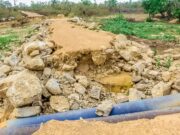
Haul Road Quality: Poorly developed and maintained haul roads outside of the mine site increase rolling resistance and tire wear, which is a massive operational cost. Equipment chosen must be rugged enough to handle poor road conditions, and the selection model should factor in the cost of road maintenance.
Logistics and Maintenance Support: Due to challenges in the national supply chain, the availability of spare parts and qualified local technicians is perhaps the single most critical support factor. Choosing a manufacturer or dealer with an established, well-stocked presence and factory-certified training facilities in Nigeria significantly reduces downtime and operational risk.
Conclusion
The selection of mining equipment is a crucial investment decision that bridges engineering requirements with economic reality. For a mining operator in Nigeria, the process requires moving beyond generic specifications to embrace the local operational environment. Prioritizing robustness to handle poor roads and high rainfall, considering the Total Cost of Ownership driven by fuel and maintenance, and ensuring a reliable local support network for spare parts and servicing are not merely preferences—they are indispensable criteria for a successful, sustainable, and profitable mining venture.