





Advertisements

The Nigerian Geosciences and Mining Society (NMGS) says it is strengthening the capacity of future mining professionals and geoscientists through programmes at its Annual International Conference and Exhibition (AICE).
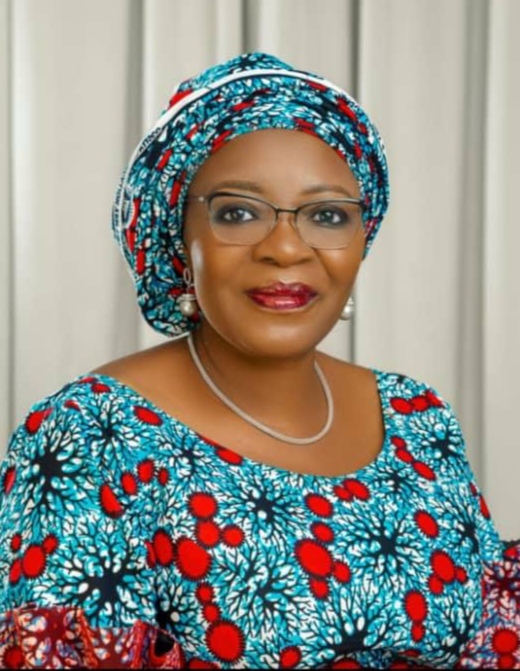
NMGS President, Ms Rose Ndong, said this in an interview with the News Agency of Nigeria (NAN) on Sunday ahead of the 61st AICE, scheduled to commence on Monday in Uyo, Akwa-Ibom state.
The conference will focus on the theme “Optimising Efficiency, Sustainability and Resilience in Natural Resource Management and Infrastructure Development”.
Ndong said participants should expect capacity-building opportunities, particularly for young professionals and students.
“The conference will feature short courses, mentoring sessions, webinars and career development engagements aimed at strengthening the next generation of geoscientists and mining professionals.
“Beyond the academic and technical engagements, the conference will serve as an important policy dialogue platform where stakeholders will deliberate on key issues affecting the mining sector.
“This is including regulatory reforms, responsible resource development, environmental sustainability, and role of geosciences in national economic diversification,” she said.
Ndong said sessions would cover wide range of topics including mineral exploration, sustainable mining, mineral processing, energy resources, geohazards and new technologies in geosciences.
She said the theme reflected Nigeria’s need to align economic growth with environmental sustainability.
Ndong said it would also promote exchange of knowledge, ideas and innovations in mining, geosciences, environmental management, and resource development.
“The choice reflects the evolving realities and emerging priorities within Nigeria’s mining, geosciences and infrastructure sectors and even beyond.
“As a professional body, the NMGS remains committed to promoting responsible resource development while addressing the complex environmental, economic and social challenges associated with natural resources management.
“It also aligns with the UN Sustainable Development Goals (SDGs) and the global green energy transition.
“Nigeria is at a critical stage where the efficient utilisation of its vast mineral and geological resources must be aligned with sustainable development principles.
“Over the years, issues such as resource inefficiency, environmental degradation, climate variability, and infrastructure deficits have continued to affect the growth and resilience of the extractive and constructive sectors,” she said.
She said the theme underscored the need for integrated approaches to improve efficiency and sustainability, while also ensuring environmental sustainability.
Ndong added that the theme aimed to strengthen resilience in managing natural resources and critical infrastructure in a safe and sustainable.
She said professionals must ensure that mineral resources exploitation was conducted in ways that protect ecosystems, preserve water and soil quality and safeguard the well-being of communities.
According to her, sustainable practices, including proper mine planning, environmental monitoring, land reclamation and responsible waste management, are central to the future of the industry.
She emphasised that Nigeria’s infrastructure and resource management systems must be designed to withstand and adapt to environmental stresses such as flooding, erosion, land degradation and other geological risks.
Ndong said building resilient systems required sound geoscientific knowledge, risk assessment and the integration of geological considerations into infrastructure planning and development.
She expressed confidence the theme would stimulate dialogue among stakeholders on national development.
Ndong added that the conference would explore innovative solutions to enhance geosciences’ role in economic diversification and infrastructure development agenda.
Advertisements





Outstanding