








“For Nigeria, developing its solid minerals like tin, columbite, and lithium would position it as a player in global supply chains, fostering job creation and export revenues while supporting domestic renewable projects”
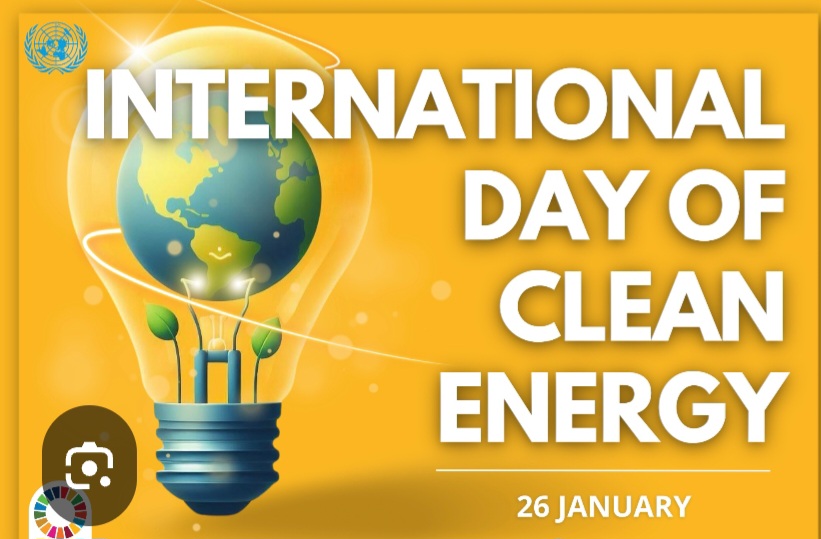
As the world grapples with the urgent need to combat climate change, January 26 stands out as a pivotal date on the global calendar. This day marks the International Day of Clean Energy, a United Nations-designated observance aimed at raising awareness and mobilizing action for a just and inclusive transition to clean energy sources.
Established through UN General Assembly resolution A/77/327, it coincides with the founding anniversary of the International Renewable Energy Agency (IRENA) in 2009, emphasizing the role of renewables in sustainable development.
In 2026, as we observe the third edition of this day, the focus remains on accelerating the shift away from fossil fuels toward affordable, reliable, and environmentally friendly energy alternatives.

*The Origins and Purpose of the International Day of Clean Energy*

The International Day of Clean Energy was proclaimed to highlight the critical role of clean energy in mitigating climate change. Fossil fuel combustion for electricity and heat generation is a major contributor to greenhouse gas emissions, trapping heat in the Earth’s atmosphere and driving global warming. By promoting renewables like solar, wind, hydro, and geothermal, the day encourages governments, businesses, and individuals to invest in technologies that are sustainable and accessible to all. Events worldwide, including virtual panels and in-person gatherings at UN headquarters, review progress, share experiences, and outline steps to expedite this transition.
The day’s significance extends beyond environmental benefits. It addresses energy security, economic growth, and social equity. For instance, clean energy can reduce reliance on imported fuels, create jobs in emerging sectors, and improve health outcomes by curbing air pollution from coal and oil.
As UN Secretary-General António Guterres has noted, aligning national climate plans with ambitious renewable targets is essential to limit global temperature rise to 1.5°C, including tripling renewable capacity by 2030.
*The Vital Link Between Clean Energy and the Solid Minerals Sector*
While the push for clean energy evokes images of gleaming solar panels and towering wind turbines, the backbone of these technologies lies in the solid minerals sector. Minerals such as copper, lithium, nickel, cobalt, graphite, and rare earth elements are indispensable for manufacturing batteries, electric vehicles (EVs), solar photovoltaic systems, and wind turbines.
These “critical minerals” enable the storage and efficient use of renewable energy, making them central to the clean energy transition.
*Advancing toward sustainability: The emergence of green mining*
According to the International Energy Agency (IEA), the global shift to clean energy could drive demand for these minerals to soar dramatically: lithium by up to 17 times, cobalt by 5 times, nickel by 6.5 times, and copper by 3 times by 2050 under net-zero scenarios. This surge is fueled by the rapid deployment of EVs and energy storage systems, where lithium-ion batteries alone could account for nearly 90% of lithium demand by 2040.
Rare earth elements like neodymium and dysprosium are crucial for permanent magnets in EV motors and wind generators, enhancing efficiency and power output.
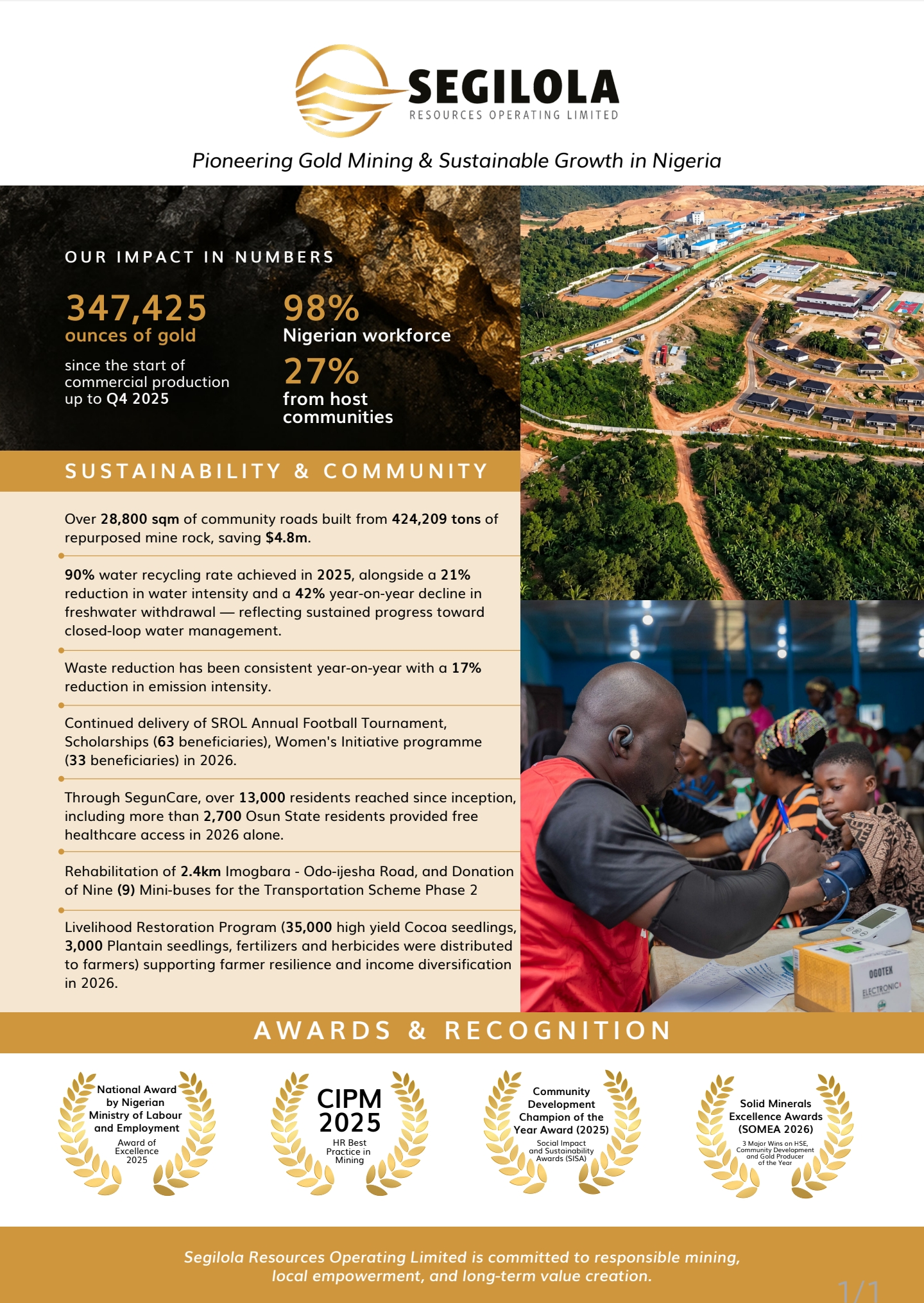
The solid minerals sector, encompassing mining and processing, thus emerges as a key enabler of clean energy goals. Regions rich in these resources, such as Latin America (with significant lithium and copper reserves in Chile and Peru) and Africa (including Nigeria’s huge lithium deposits), stand to benefit economically.
For Nigeria, developing its solid minerals like tin, columbite, and lithium would position it as a player in global supply chains, fostering job creation and export revenues while supporting domestic renewable projects.