




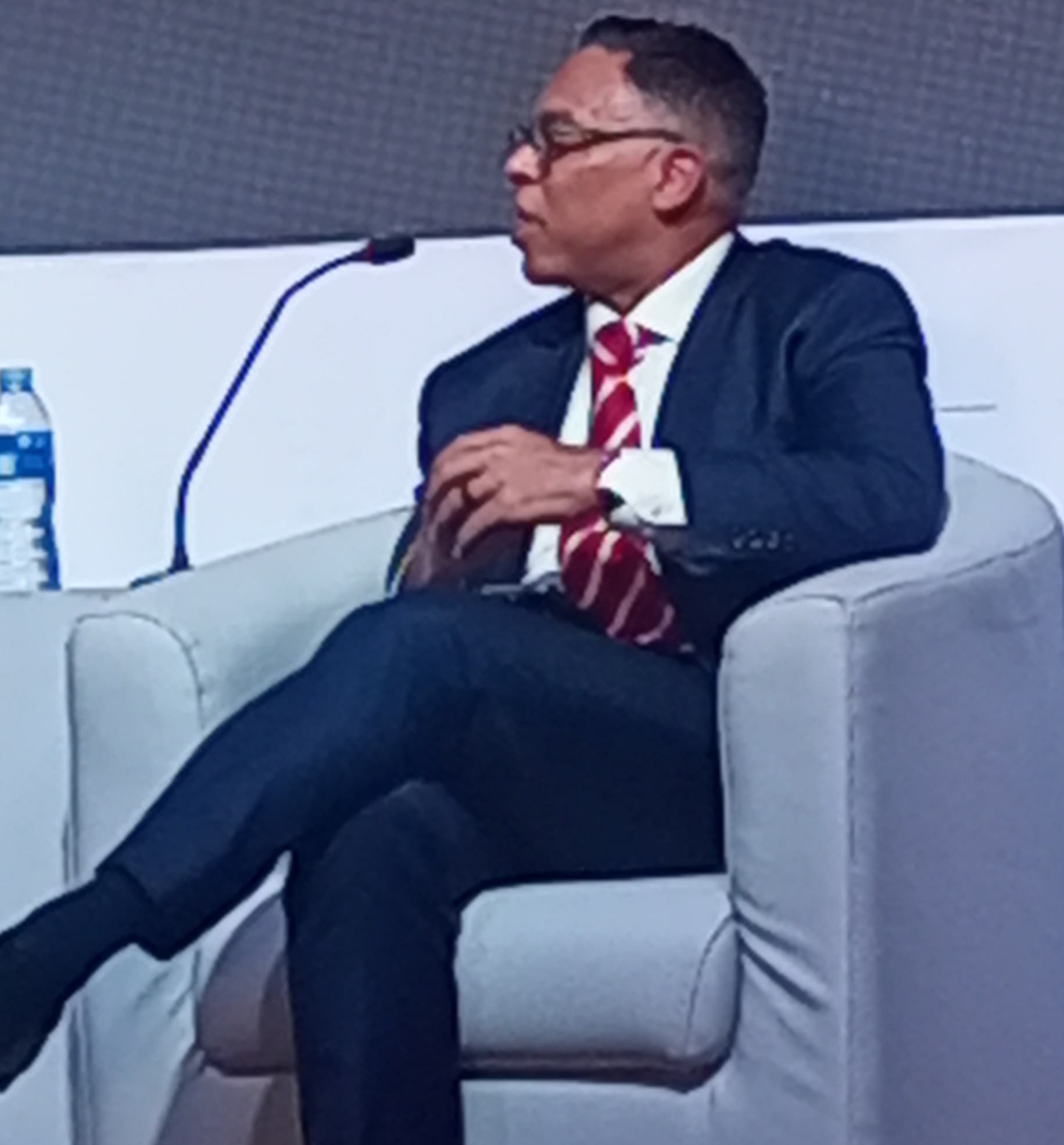

By Yunus Olawale
*Photo: Jane Duplessis*
The Africans for Africa Mining Fund (A4A) has declared that Africa possesses the financial strength to drive its own mining development, urging governments, investors and industry stakeholders to harness indigenous capital to unlock the continent’s vast mineral wealth rather than relying heavily on foreign investment.
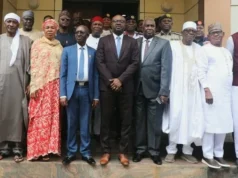
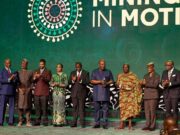
The position was articulated by the fund’s representative, Jene Duplessis, during an interview following the signing of a Memorandum of Understanding (MoU) between A4A and Steron Mining at the Africa Natural Resources and Energy Investment Summit (AFNIS) 2026 in Abuja.
Duplessis explained that the partnership is built on A4A’s vision of enabling Africans to invest directly in Africa’s mining industry, noting that although the continent holds approximately 30 per cent of the world’s mineral resources, Africans own less than three per cent of those assets.
According to him, this ownership gap presents a significant investment opportunity that the fund intends to leverage by building a diversified portfolio across critical minerals and strategic mining jurisdictions on the continent.
He described lithium as one of the fund’s priority minerals due to its growing global demand in battery manufacturing and clean energy technologies.
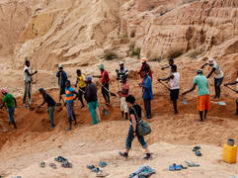
He noted that Steron Mining has demonstrated strong commercial potential through existing offtake agreements, particularly with buyers in China, but requires expansion capital to scale up production.
“We have been engaging with Steron Mining for some time. They have a solid business, but they need additional plant, equipment and infrastructure to expand. For us, this represents a highly investable project,” Duplessis said.
Beyond financing mining operations, he explained that A4A’s investment strategy focuses on strengthening infrastructure, introducing technological innovation and supporting long-term business growth that enhances operational efficiency.
He added that the fund is prepared to finance projects from their early development stages, allowing mining companies to build sustainable operations over an extended investment cycle.
“Our capital is not only about generating returns. We invest in infrastructure development because stronger infrastructure makes mining companies more efficient. We also bring technology and innovation that improve productivity,” he stated.
Duplessis further stressed that every investment undertaken by the fund must deliver measurable environmental, social and community benefits under what A4A describes as its “Total Africa Benefit” framework.
He explained that the fund evaluates and reports community impact to investors while promoting initiatives aimed at improving the financial wellbeing of mine workers and host communities.
Among such initiatives, he disclosed, are financial inclusion programmes designed to create investment opportunities for mining communities, ensuring that economic benefits extend beyond mining companies to local populations.
Speaking on the long-term outlook of the partnership, Duplessis expressed confidence that the collaboration would significantly increase Steron Mining’s production capacity and revenue generation over the next three to five years while laying the foundation for continued expansion over a 15-year investment horizon.
He noted that the initial phase would focus on acquiring additional processing plants and equipment before supporting further exploration and expansion into larger lithium and granite deposits.
According to him, having a committed institutional investor also strengthens Steron Mining’s ability to attract additional financing in the future.
“We see ourselves as long-term partners. This first investment is only the beginning, and we expect to continue supporting Steron Mining’s expansion throughout the life of the fund,” he said.
Duplessis also used the occasion to call for policy reforms that encourage greater African participation in mineral ownership and value addition.
He argued that Africa possesses sufficient domestic capital to finance its mining ambitions, citing an estimated four trillion dollars held in African pension funds.
“If only one per cent of those pension assets were channelled into mining and infrastructure, Africa would generate about 40 billion dollars—enough to finance a substantial portion of the continent’s mining development needs,” he said.
He urged policymakers to create regulatory frameworks that support local investment, mineral beneficiation and processing, insisting that Africa should retain greater value from its natural resources instead of exporting raw minerals at relatively low prices.
“We have the capital. We don’t need to sell our resources cheaply. We should invest in beneficiation and processing facilities so that more value remains within Africa,” he added.
The partnership between A4A, a Mauritius-incorporated investment fund, and Steron Mining is expected to enhance investment flows into Nigeria’s mining sector while promoting sustainable development, technological advancement and increased African ownership of strategic mineral assets.