



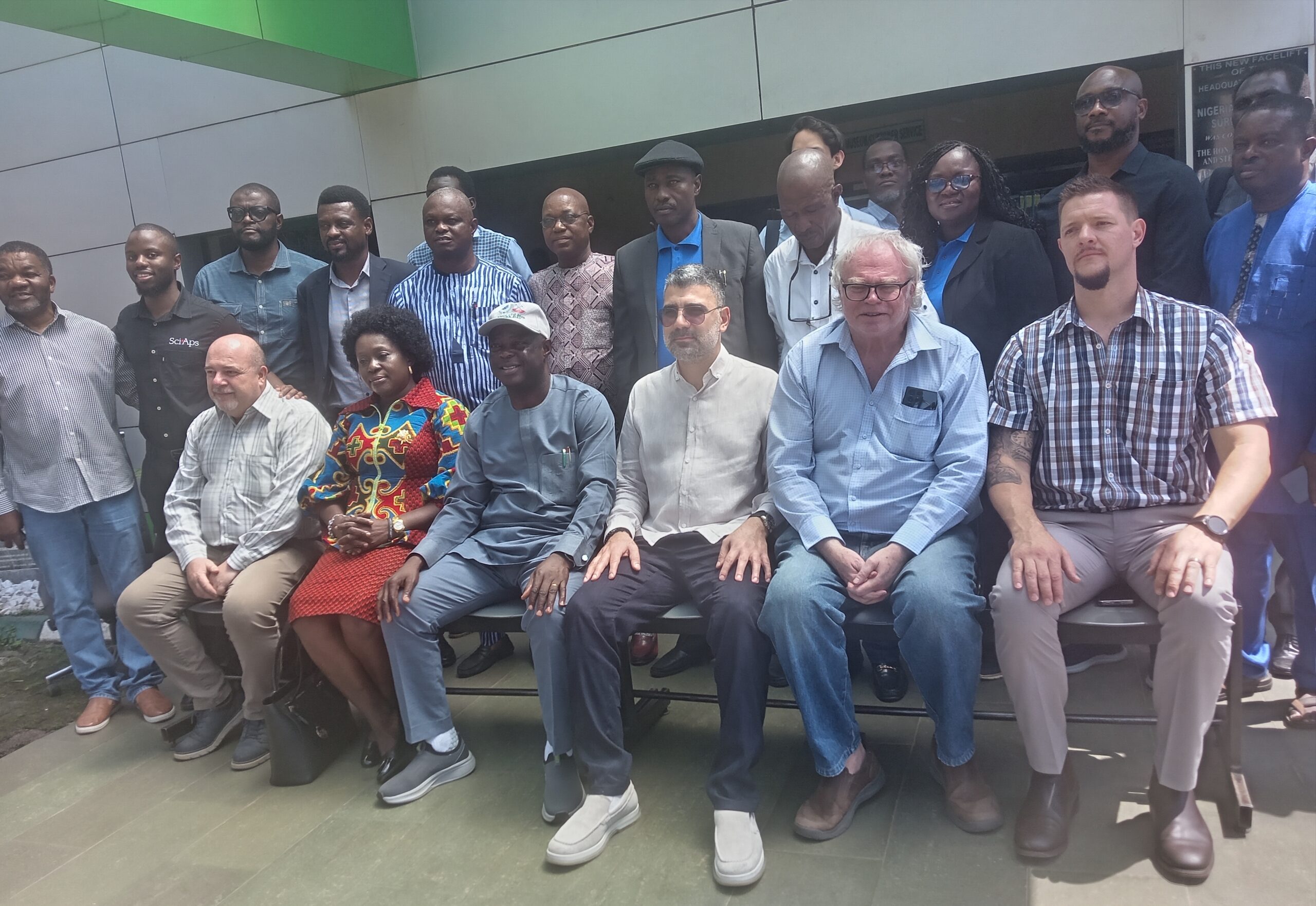




By The Miners Magazine Special Economic and Industry Analysis
From mineral deposits to digital intelligence, from extraction to value addition, and from conference commitments to measurable economic growth, Nigeria’s mining future will depend on its ability to transform mineral wealth into industrial capacity, jobs, foreign exchange earnings and sustainable national development.
Introduction: The Real Work Begins After Mining Week
Nigeria Mining Week 2026 offers an opportunity to examine a fundamental question: what happens after the exhibitions close, the speeches are delivered, business cards are exchanged and participants return to their offices?
For Nigeria, the success of the event should not be measured solely by attendance figures, the number of exhibitors, sponsorship commitments or the volume of discussions generated during the three-day gathering. Its lasting value must be assessed by the investments it attracts, the partnerships it facilitates, the technologies it introduces, the policies it influences and the jobs and industrial opportunities it helps create.
Nigeria’s mining industry stands at the intersection of economic diversification, technological transformation and global competition for strategic minerals. The country has deposits of minerals such as lithium-bearing ores, tin, columbite, tantalite, gold, barite, limestone, iron ore, lead-zinc and other industrial minerals. Yet, the existence of these resources does not automatically translate into national prosperity.
The difference between mineral wealth and economic wealth lies in a country’s capacity to discover, extract, process, manufacture, trade and manage mineral resources efficiently. Increasingly, that capacity depends on technology.
As the global mining industry embraces artificial intelligence, satellite-based mineral exploration, digital geological mapping, automated equipment, advanced mineral processing, renewable energy and data-driven supply chains, Nigeria faces a strategic choice: remain primarily a supplier of raw materials or leverage its mineral resources to build a technologically advanced industrial economy.
Beyond Nigeria Mining Week 2026, the challenge is to translate discussions into contracts, geological data into bankable projects, mineral production into domestic manufacturing and technological innovation into broad-based economic growth.
For The Miners Magazine, the central argument is clear: Nigeria’s mining future will be determined not simply by what lies beneath its soil, but by the technology, investment, skills, institutions and industrial ambition it brings to the sector.
The Economic Stakes: Mining Must Become More Than Extraction
Nigeria has long relied heavily on petroleum revenues while importing substantial quantities of manufactured goods. Developing a productive solid minerals sector offers an opportunity to diversify government revenue, expand non-oil exports, create employment and supply essential raw materials to domestic industries.
Mining can generate economic value through several interconnected channels.
Government revenue: Royalties, company taxes, licence fees and other statutory payments can provide resources for public services, infrastructure and development programmes.
Foreign exchange earnings: Properly regulated mineral exports can diversify Nigeria’s export base, generate foreign exchange and reduce excessive dependence on crude oil.
Employment creation: Exploration, extraction, processing, transportation, engineering, equipment maintenance and environmental management can generate direct and indirect employment opportunities.
Industrial development: Locally processed minerals can supply raw materials to construction, steelmaking, ceramics, glass, chemicals, battery manufacturing and other industries, depending on the mineral, available technology and commercial viability of processing.
Infrastructure investment: Viable mining projects can stimulate investments in electricity, roads, railways, water supply, telecommunications and logistics. Where infrastructure is designed to serve surrounding communities and other industries, its economic benefits can extend beyond individual mining operations.
Small-business development: Local suppliers, laboratories, surveyors, engineering companies, logistics operators, technology providers and professional service firms can benefit from a more organised and productive mining ecosystem.
However, these benefits are not automatic. Mining can generate limited domestic value when operators export unprocessed minerals, depend heavily on imported equipment and services, fail to meet their statutory obligations or neglect local supply chains.
Similarly, mineral production can increase without delivering lasting prosperity if communities suffer environmental degradation, unsafe working conditions, displacement or exclusion from the economic benefits of mining.
Nigeria must therefore pursue a development model that prioritises responsible mineral production, domestic value addition, environmental protection and inclusive economic participation rather than focusing exclusively on the volume of minerals extracted.
The objective should be to ensure that the economic benefits of mining extend beyond operators and investors to workers, host communities, local businesses and the wider Nigerian economy.
Ultimately, Nigeria Mining Week should be judged by how effectively it advances this objective. The real test is whether the discussions and commitments made during the event translate into commercially viable projects, stronger institutions, technological advancement and measurable improvements in the country’s productive capacity.