







By Martha Agas
Illegal mining and deforestation are destroying farmland, depleting natural resources and threatening livelihoods in parts of Gwagwalada Area Council, a youth leader has warned.
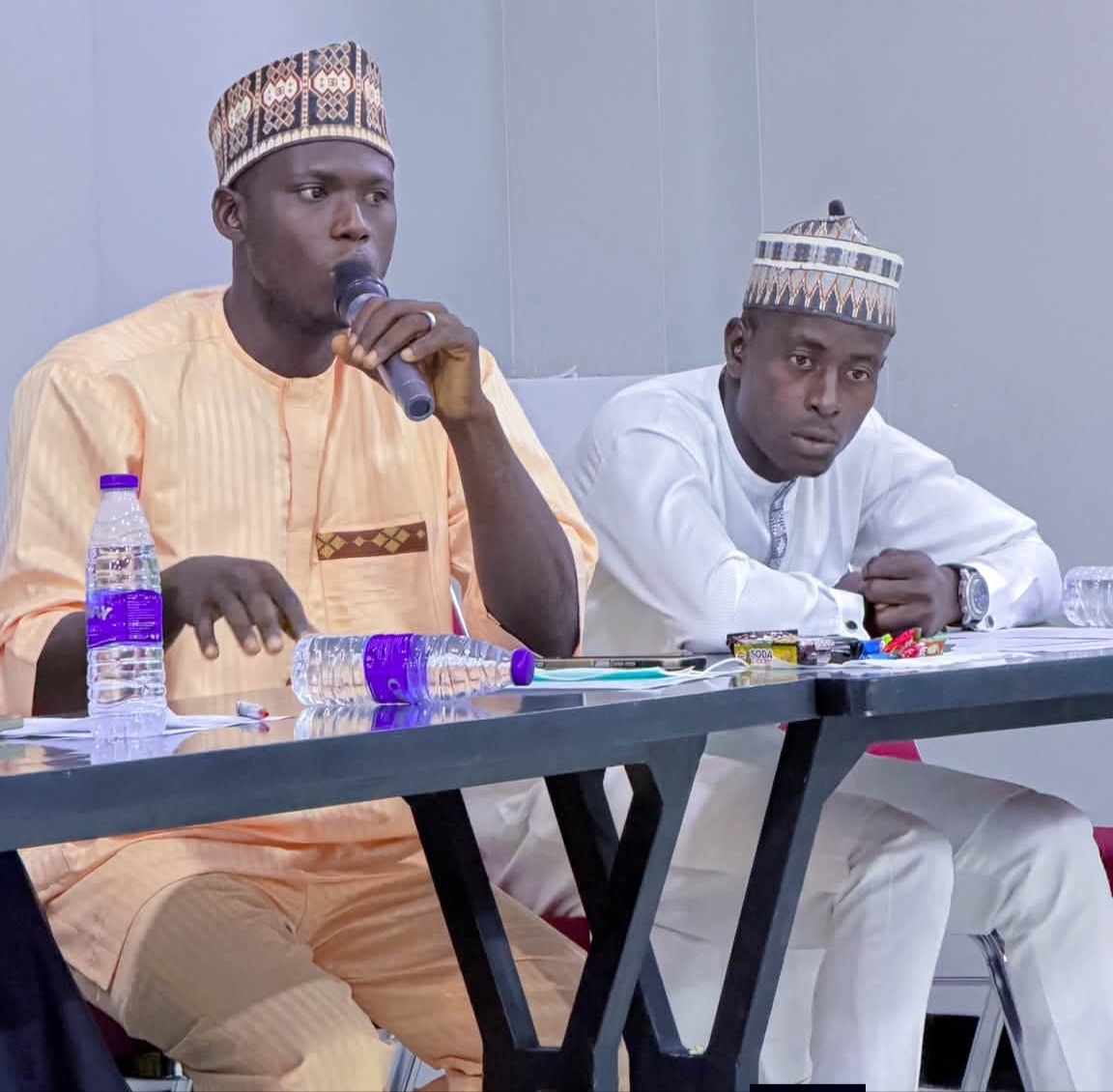
Mr Usman Mohammed, a member of Paikon-Kore community, raised the alarm on Thursday at a Multi-Stakeholder Climate Governance Dialogue organised by the Development of Educational Action Network (DEAN) in Abuja.
Mohammed identified Dobi and Paiko wards, alongside other parts of Gwagwalada Area Council, as communities experiencing illegal mining activities.
He said mining operations had destroyed extensive portions of farmland, rendering the affected areas unsuitable for agriculture and other productive activities.
“Any land that they mine cannot be used for anything because that land has been destroyed,” he said.
Mohammed linked the destruction of farmland and vegetation to declining soil fertility, water scarcity and increasing competition for land between farmers and herders.

He said the resulting pressure on available land was contributing to tensions between farming and herding communities.
According to him, some mining operations continued because of alleged support from influential individuals, including government officials and traditional rulers.
He said such influence made it difficult for affected communities to challenge the activities or secure appropriate interventions.
Mohammed also identified indiscriminate borehole drilling and improper waste disposal as additional environmental challenges confronting communities across the Federal Capital Territory (FCT).
He expressed concern that developers frequently cleared vegetation without corresponding tree-planting efforts, worsening environmental degradation and threatening underground water resources.
He called on governments to intensify public awareness campaigns on climate change, environmental protection and measures communities could adopt to minimise environmental damage.
The youth leader also urged authorities to involve young people in policymaking, budgeting and implementing environmental programmes.
He argued that excluding young people from decision-making processes weakened their participation in identifying community challenges and developing sustainable solutions.
“Most of our youth are not involved in decision-making. There is no open assessment where you will be able to ask them what is happening,” he said.
Mohammed encouraged young people to use social media constructively to expose environmental challenges and attract interventions from government agencies and development organisations.
He further called on governments and development partners to engage qualified professionals and credible community representatives when planning environmental projects.
He said development interventions should address the actual priorities of beneficiary communities rather than reflect assumptions made by project planners.
Mohammed explained that while some communities urgently needed potable water, others required primary healthcare facilities, schools and other essential infrastructure.
“You cannot just keep on adding project upon project and this is not what they need. At the end of the day, they are suffering,” he said.
Also speaking, DEAN Executive Director, Mr Semiye Michael, called for stronger collaboration between government institutions and communities to address environmental challenges.
Michael said the organisation initiated the dialogue to connect grassroots experiences with broader climate change concerns and encourage inclusive discussions on environmental sustainability.
He noted that rising temperatures, water scarcity and other environmental pressures were worsening economic hardship and threatening community livelihoods.
The DEAN executive director also raised concerns about the environmental implications of expanding digital infrastructure, particularly data centres, on host communities.
He called for greater consideration of the environmental consequences of such infrastructure as governments and private investors pursued digital development.
The dialogue, a DEAN initiative supported by the Publisher Centre through its ACE Microgrant, sought to strengthen inclusive climate governance and community resilience.
It also aimed to identify priority environmental interventions, clarify stakeholders’ responsibilities, establish implementation timelines and agree on mechanisms for monitoring progress.
The initiative was designed to strengthen community participation in climate governance and ensure that environmental interventions reflected the needs of affected populations.