







By Yunus, Olawale
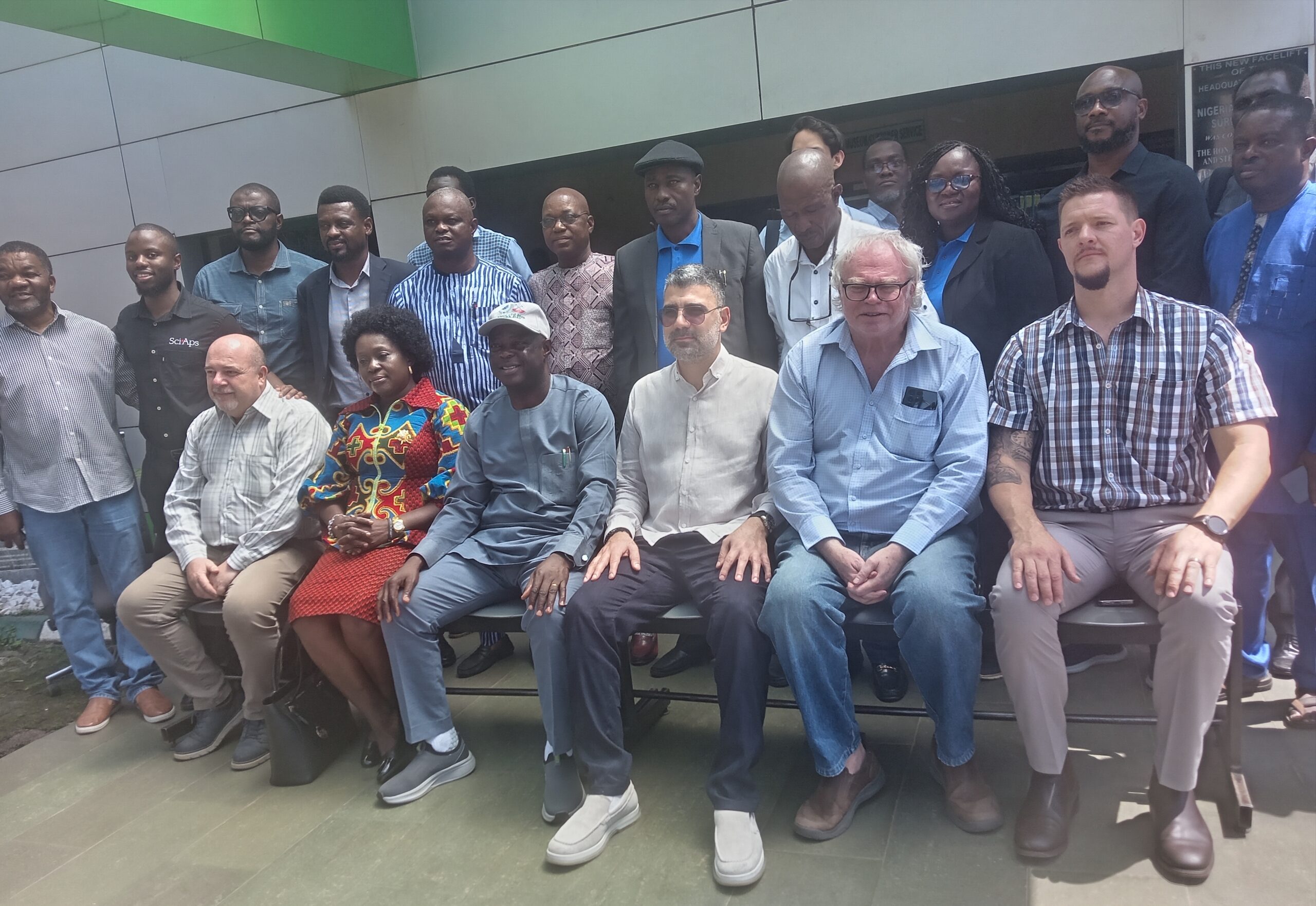
Stakeholders on Monday in Abuja
at a pre-conference roundtable organised by PwC on Day One of the 2026 Nigeria Mining Week have identified weak coordination among artisanal miners, inadequate funding, insecurity and infrastructure deficits as major obstacles to the development of Nigeria’s mining sector.
The discussions, which focused on formalising artisanal and small-scale mining (ASM), improving regulatory compliance and strengthening mining infrastructure, highlighted the need for coordinated government action, stronger community engagement and targeted investment to unlock the sector’s economic potential.
The roundtable brought participants together in four discussion groups to examine challenges affecting mining operations and propose practical solutions.
One of the groups identified fragmented artisanal mining operations, limited access to information, inadequate political commitment and insufficient engagement between regulators and mining communities as key barriers to formalisation.
Participants also cited insecurity in remote mining locations and the capital-intensive nature of mining as factors limiting the integration of informal operators into the formal economy.
They stressed the importance of establishing effective engagement mechanisms between regulators and artisanal and small-scale miners, alongside targeted training, access to appropriate equipment and fair market opportunities.
The discussions further highlighted concerns over the use of mercury in mining, with participants calling for training in safer, lawful and environmentally responsible mining practices.
On regulatory compliance, the group emphasised the need to improve miners’ awareness of licensing requirements and applicable regulations, while strengthening training on sustainable mining methods.
Participants also argued that regulatory processes, particularly the acquisition of mining licences, should be made more efficient to reduce bureaucratic delays and encourage operators to formalise their activities.
They maintained that more effective enforcement against non-compliance, combined with clearer regulatory guidance, could strengthen adherence to mining laws across the value chain.
Security, Transport, Infrastructure Top Concerns
In a separate discussion on mining infrastructure, participants identified insecurity along mineral supply chains, inadequate rural roads and weak policy compliance as major constraints on the movement of minerals from mining communities to processing facilities and export destinations.
They observed that poor road networks in rural mining areas often limit the movement of heavy mineral loads, while insecurity exposes mining operations and mineral transportation to significant risks.
The group also raised concerns about operators who obtain exploration licences but proceed to mining activities without adequate consultation with relevant government authorities and host communities.
To address these challenges, participants recommended aligning mining projects with existing transport corridors and locating processing facilities closer to mining communities where feasible. They also called for greater investment in rural road networks to reduce transportation time and improve the movement of minerals to markets and export terminals.
Rail infrastructure was identified as a potential long-term alternative for transporting bulk minerals more sustainably, subject to improvements in the country’s rail network.
Another proposal was the deployment of real-time freight tracking systems to improve the monitoring and security of mineral consignments from mining locations to their destinations.
Participants further recommended establishing mineral buying centres close to mining communities to facilitate aggregation, reduce transportation burdens and minimise security risks associated with moving minerals over long distances.
*Call for Coordinated Action*
The roundtable discussions underscored the interconnected nature of the challenges confronting Nigeria’s mining industry, from the formalisation of informal operators and enforcement of regulations to security, transportation and market access.
The recommendations point to the need for closer collaboration among government agencies, mining operators, host communities and private-sector investors to create a more transparent, secure and commercially viable mining environment.
As Nigeria Mining Week gets underway, the issues raised at the pre-conference session provide a framework for discussions on how to strengthen the mining value chain, improve operational efficiency and support the sustainable development of the country’s solid minerals sector.