



*Dr. Charles Akindiji Akinola, MD/CEO of South West Development Commission*
Nigeria’s South West region, comprising Ekiti, Lagos, Ogun, Ondo, Osun, and Oyo states, is renowned for its rich cultural heritage, agricultural potential, and emerging economic dynamism.
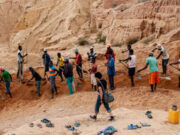
However, beneath its surface lies a growing crisis: rampant illegal (artisanal and small-scale) mining, which threatens the environment, security, livelihoods, and sustainable development.
The recently established South West Development Commission (SWDC) is positioned as a key institutional response to coordinate regional efforts, including tackling these mining-related challenges.
Establishment and Mandate of the SWDC
The South West Development Commission (Establishment) Act, 2025, signed into law by President Bola Tinubu, created the SWDC to drive inclusive growth, infrastructure development, poverty reduction, job creation, and regional integration across the six states.
Its mandate explicitly includes addressing ecological and environmental problems arising from the extraction and mining of solid minerals.
The Commission is empowered to:
Receive and manage funds from the Federation Account and other sources for reconstruction, rehabilitation, and tackling environmental challenges.
Liaise with mining companies and advise on prevention and control of pollution.
Promote sustainable development in key areas like solid minerals, agriculture, education, health, and commerce.
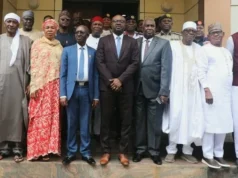
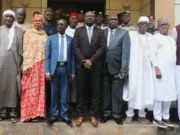
With leadership including Managing Director/CEO Dr. Charles ‘Diji Akinola, the SWDC has initiated partnerships (e.g., with the DAWN Commission) and programs like the TransComs rural transformation initiative.
The Scourge of Illegal Mining in the Southwest
Southwest Nigeria hosts significant deposits of gold, quartz, tin, and other minerals, particularly in Osun, Oyo, Ogun, Ekiti, and Ondo states.
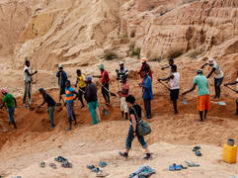
While legal mining could drive economic growth, illegal operations dominate, often involving local artisanal miners, foreign actors (notably Chinese nationals in some cases), and alleged elite patronage.
Key hotspots include:
Osun State — Areas around Ibodi, Ilesha, and the sacred Osun River, where illegal gold mining has led to severe water pollution through heavy metals and chemicals. Artisanal miners use river water for ore washing, contaminating sources that serve millions.
Oyo and Ogun — Forested and rural areas face deforestation, pit digging, and land degradation.
Other states report similar unregulated activities.
Estimates suggest Nigeria loses up to $9 billion annually to illegal mining and smuggling nationwide, with the Southwest contributing through lost royalties, taxes, and formal sector opportunities.
Multifaceted Challenges
Environmental Degradation: Illegal mining causes deforestation, soil erosion, crater-like pits that become toxic ponds, and water contamination (e.g., lead and other heavy metals exceeding safe limits).
In Osun, this threatens the Osun-Osogbo Grove (a UNESCO site) and broader ecosystems, affecting agriculture and drinking water.
Security and Social Impacts: While less intense than in the Northwest (where illegal mining fuels banditry), the Southwest sees rising conflicts, gang rivalries over sites, and links to crime. Child labor, unsafe working conditions (pit collapses), and displacement occur. Porous borders and weak enforcement allow foreign involvement and smuggling.
Economic Losses: Informal operations deprive the government of revenue while providing short-term subsistence for impoverished locals. Lack of regulation prevents value addition, technology transfer, or community development funds.
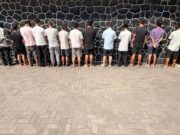
Governance Gaps: Corruption, inadequate licensing enforcement, elite collusion, and overlapping federal/state responsibilities exacerbate the problem. Past efforts, like arrests in Osun, have had limited long-term impact.
SWDC’s Potential Role and Path Forward
The SWDC’s mandate gives it tools to coordinate a regional response beyond fragmented state actions.
Possible strategies include:
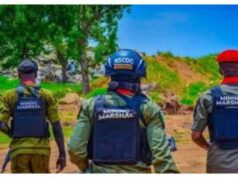
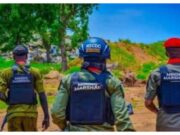
Regulatory and Enforcement Collaboration: Partner with federal agencies (e.g., Ministry of Solid Minerals), state governments, Mining Marshals, and security forces for stricter licensing, monitoring, and raids on illegal sites.
Environmental Remediation: Fund rehabilitation of degraded lands and rivers, promote responsible artisanal mining cooperatives, and enforce environmental impact assessments.
Alternative Livelihoods and Formalization: Integrate artisanal miners into legal frameworks through training, cooperatives, and job creation in agriculture, agro-processing, and eco-tourism via initiatives like TransComs.
Regional Infrastructure and Data: Invest in mapping mineral resources, improving rural infrastructure for legal mining, and using technology for surveillance.
Stakeholder Engagement: Work with communities, traditional rulers, and private sector for transparent benefit-sharing and awareness campaigns.
Success will depend on adequate funding, political will, inter-agency coordination, and measurable KPIs. The Commission’s alliance with DAWN and focus on “One Bloc” development provide a foundation for scalable impact.
Conclusion
Illegal mining in Southwest Nigeria represents a classic “resource curse” in miniature—abundant wealth undermined by poor governance, leading to environmental ruin and missed opportunities. The SWDC, though nascent, embodies hope for a coordinated, sustainable approach that turns mineral potential into shared prosperity rather than destruction.
For the Commission to succeed, it must move swiftly from planning to visible action: enforcing laws, restoring ecosystems, and empowering communities. The people of the Southwest, and Nigeria at large, deserve a future where natural resources fuel development, not degradation. With strong leadership and stakeholder buy-in, the SWDC can help secure that legacy.