





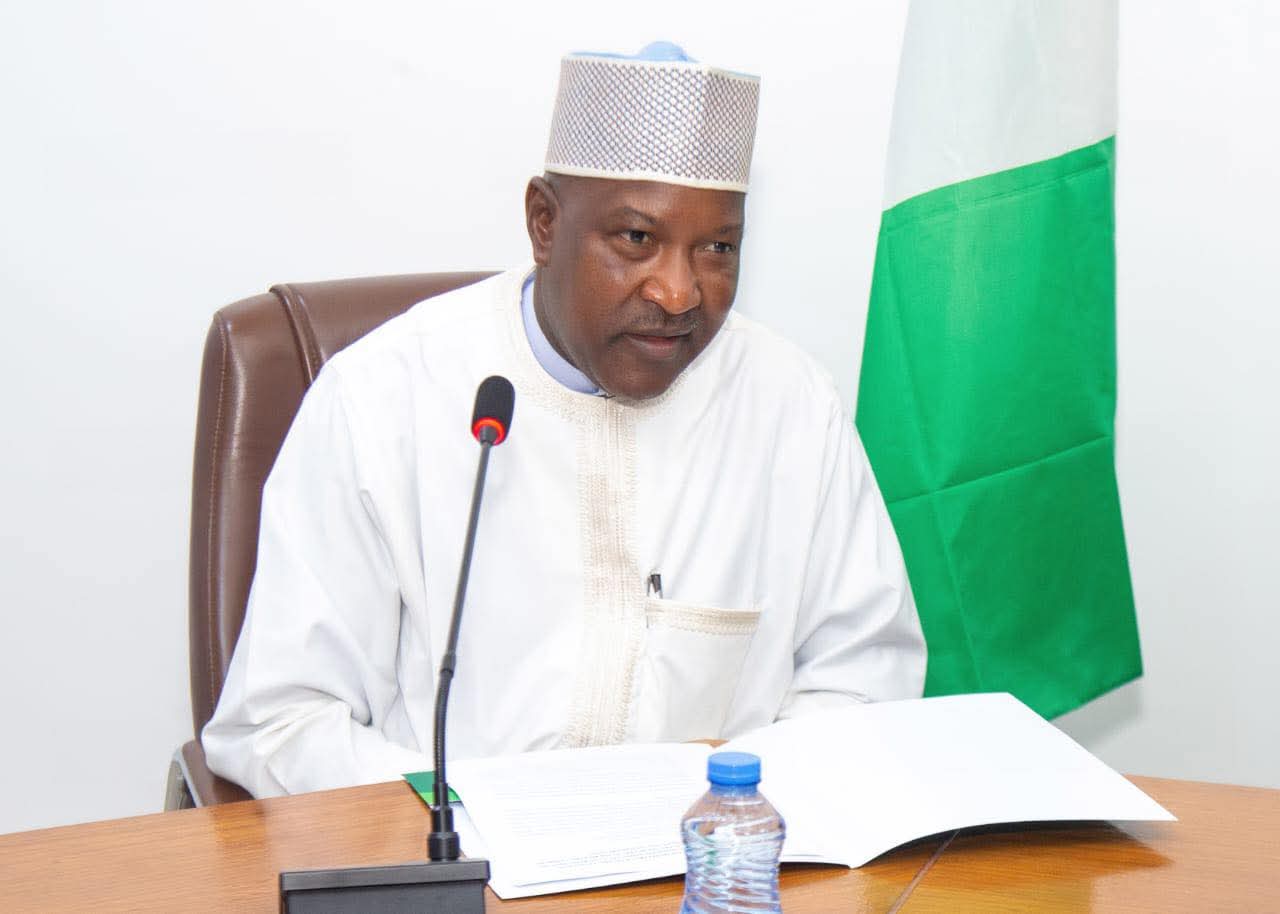
*Photo: Hon Musa Sarkin Adar*
The Executive Secretary of Nigeria Extractive Industries Transparency Initiative( NEITI), Hon Musa Sarkin Adar, has called for stronger partnership with the Independent Corrupt Practices and other Related Offences Commission (ICPC) towards safeguarding Nigeria’s extractive resources for sustainable national development.

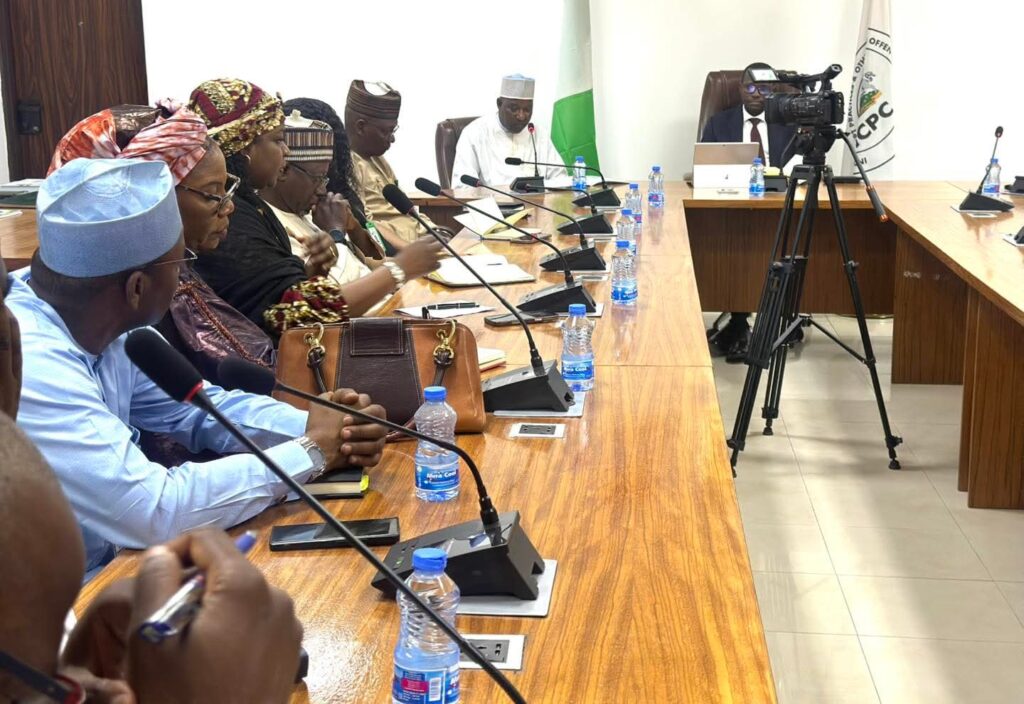
He made the call on Wednesday, 21st January, 2026, when he led a team from NEITI on a courtesy visit to the headquarters of ICPC in Abuja.
Hon. Adar noted that the visit came at a critical period as Nigeria commences preparations for its Extractive Industries Transparency Initiative (EITI) Validation 2026 exercise, which requires clear evidence of anti-corruption measures, preventive actions, and follow-up on governance weaknesses identified through NEITI audits and disclosures.

He stated that from inception, NEITI has recognised that transparency alone is insufficient without strong preventive mechanisms and institutional accountability, particularly in the oil, gas, and solid minerals sectors where corruption risks remain high.
The Executive Secretary expressed his confidence that strengthening partnership with the ICPC
will contribute significantly to reducing corruption risks, improving sector governance, and safeguarding Nigeria’s extractive resources for sustainable national development.
“The upcoming EITI Validation exercise 2026 will assesses Nigeria’s progress in implementing the 2023 EITI Standard. It is important to apprise you of the Validation because it is not limited to NEITI but a validation of Nigeria as a whole. It covers three components which include Transparency, Stakeholder Engagement and Outcomes & Impact. As a critical stakeholder in the EITI implementation in Nigeria, we humbly seek your continued support and cooperation,” Adar appealed.

He explained that NEITI’s industry audits and policy recommendations consistently identify systemic gaps, control weaknesses, and corruption risks across the extractive value chain.
“These findings are intended not only to inform public debate but also to support preventive interventions, investigations, and institutional reforms, which fall within the ICPC’s mandate,” he said.