




*Minister of Solid Minerals Development, Dr Dele Alake.

Why adequate insurance cover is essential for protecting lives, assets, investments and the future of mining operations
The mining industry is inherently exposed to a wide range of risks. From geological uncertainties and equipment breakdowns to workplace accidents, environmental incidents, fire, theft and third-party liabilities, mining operations can face losses capable of threatening the survival of even a well-established company.
For this reason, insurance should not be regarded merely as an administrative requirement or an additional operating cost. It is an important component of responsible mining, providing financial protection against risks that could otherwise impose devastating costs on operators, employees, host communities, investors and other stakeholders.
As Nigeria seeks to attract greater investment into its mining and mineral-processing industry, developing a strong culture of risk management and appropriate insurance protection will become increasingly important.
Understanding Risk in Mining

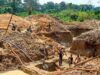
Mining operations involve multiple stages and activities, each carrying its own risks. Exploration companies undertake geological investigations and drilling; operators may use heavy earth-moving equipment, explosives and processing machinery; workers operate in potentially hazardous environments; and minerals are transported over considerable distances.
A single incident can therefore have consequences extending far beyond the immediate cost of repairing equipment.
For example, an accident could result in injury or loss of life, damage to machinery, interruption of production, environmental remediation costs, compensation claims and legal expenses. Similarly, a fire at a processing facility could destroy valuable equipment and halt production for months.
Insurance provides a mechanism for transferring some of these financial risks from the mining company to an insurer in exchange for a premium.
The objective is not to eliminate risk—something that is impossible in mining—but to ensure that an unexpected event does not become an existential financial crisis for the business.
Key Insurance Policies for Mining Operations
The precise insurance programme required will depend on the mineral being mined, the scale and stage of the operation, equipment used, location, contractual obligations and applicable Nigerian laws and regulations. However, several categories of insurance are particularly relevant to mining companies.

- Employers’ Liability and Workers’ Compensation
Mining companies have a fundamental responsibility to protect their employees.
Workers may be exposed to risks including falls, machinery accidents, vehicle accidents, mine-wall failures, dust exposure, fires and other occupational hazards.
Employers’ liability or workers’ compensation-related insurance can provide financial protection in connection with employees who suffer injury, illness or death arising from their employment, subject to the terms and applicable law.
For mining companies, this type of protection is particularly important because the consequences of a serious workplace accident can extend beyond immediate medical expenses to compensation, rehabilitation and legal costs.
- Group Personal Accident Insurance
Group Personal Accident cover can provide benefits for employees who suffer accidental death, permanent disability or other specified injuries.
Mining companies can use such policies as part of a broader employee protection programme, particularly for personnel working in operational areas.
It can also strengthen employee welfare and demonstrate that the company takes the wellbeing of its workforce seriously.
- Contractors’ and Construction All-Risk Insurance
Mining projects often involve contractors undertaking construction, installation, mine development, plant construction, road works and other infrastructure projects.
Contractors’ All Risks (CAR) insurance can provide cover for specified accidental physical loss or damage occurring during construction and related activities, while associated liability cover may address claims involving third parties.
For new mines and major expansion projects, appropriate construction and project insurance can therefore be an important part of the overall risk-management strategy.
- Property and Mining Equipment Insurance
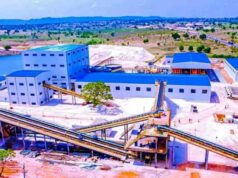
Mining companies invest heavily in machinery and infrastructure, including excavators, bulldozers, loaders, crushers, drilling rigs, generators, processing plants, conveyors and other specialised equipment.
Property and equipment insurance can protect against specified risks such as fire, certain accidental damage and other insured events.
For specialised machinery, operators may also consider machinery breakdown insurance, which can provide protection against sudden and unforeseen mechanical or electrical breakdowns, subject to policy conditions.
Given the high replacement cost and importance of heavy equipment to production, adequate sums insured and appropriate valuation are essential.
- Machinery Breakdown Insurance
Mining operations depend heavily on machinery. A breakdown of a critical crusher, excavator, generator, processing unit or other plant can bring production to a halt.
Machinery Breakdown Insurance is designed to address sudden and unforeseen physical damage to insured machinery caused by covered events.
The business interruption consequences can sometimes be greater than the cost of repairing the machine itself, which is why operators may consider combining machinery protection with business interruption cover.
- Business Interruption Insurance
Mining companies depend on continuous production and mineral sales to generate revenue. A major fire, equipment failure or other insured event can interrupt operations and create substantial financial losses.
Business Interruption Insurance, also known in some markets as Business Income or Consequential Loss insurance, can provide cover for certain losses of income or increased costs of working resulting from an insured physical loss, subject to the policy terms.
For a mining company, this can help provide financial breathing space while damaged facilities or equipment are being repaired or replaced.
- Public Liability Insurance
Mining operations interact with employees, contractors, visitors, transporters, host communities and members of the public.
Public Liability Insurance can provide protection against certain claims arising from accidental bodily injury or property damage suffered by third parties in connection with the insured business.
This is particularly relevant where mining activities occur close to communities, roads, farms, commercial premises or other public areas.
- Environmental Liability Insurance
Environmental risk is one of the most significant considerations in modern mining.
Mining activities can potentially result in pollution, contamination, land degradation, damage to water resources and other environmental incidents.
Environmental liability insurance may provide protection for certain pollution-related liabilities, clean-up costs and associated claims, depending on the policy wording and exclusions.
However, insurance should never be considered a substitute for environmental management. Prevention, compliance, monitoring, rehabilitation and responsible mine closure remain fundamental responsibilities of every operator.
- Motor and Commercial Vehicle Insurance
Mining companies typically operate fleets of vehicles, including trucks, pickups, tankers, buses and other commercial vehicles.
Appropriate motor insurance is essential for vehicles used in mining operations and mineral transportation. Depending on the vehicle and use, cover may include third-party liability and, where purchased, protection against damage to the insured vehicle.
Operators should also pay particular attention to vehicles transporting minerals between mine sites, processing facilities, warehouses, ports and customers.
- Goods-in-Transit Insurance
Minerals and mining-related equipment may travel significant distances by road, rail, sea or other modes of transportation.
Goods-in-Transit Insurance can protect insured cargo against specified risks while it is being transported.
This can be particularly relevant for high-value minerals, concentrates, processed products, specialised equipment and imported machinery.
- Marine Cargo Insurance
Where mining equipment, spare parts or mineral products are transported internationally by sea, Marine Cargo Insurance can provide protection against specified risks during transit.
This is especially relevant to mining companies importing heavy equipment and exporting mineral products.
- Directors’ and Officers’ Liability Insurance
Mining companies, particularly incorporated companies with boards and senior management, may face claims alleging wrongful acts in the course of managerial responsibilities.
Directors’ and Officers’ Liability Insurance can provide protection for covered claims against directors and officers, subject to policy terms and exclusions.
For companies seeking institutional investment and operating within increasingly sophisticated corporate-governance structures, this form of protection may become an important consideration.
- Professional Indemnity Insurance
Mining operations rely on professional expertise from geologists, engineers, surveyors, environmental consultants, laboratory specialists, accountants, lawyers and other professionals.
Professional Indemnity Insurance can protect professionals and, depending on contractual arrangements, businesses against certain claims arising from alleged professional negligence, errors or omissions.
Mining companies that provide technical or professional services to clients may particularly need to consider this type of cover.
- Cyber Insurance
Modern mining is increasingly dependent on digital technology.
Computerised processing systems, mine-management software, GPS systems, financial platforms, communications networks, automated equipment and data systems all create potential cyber risks.
Cyber insurance can provide protection against certain financial losses and response costs arising from covered cyber incidents, such as data breaches or cyberattacks.
As mining becomes more technologically advanced, cyber risk should form part of the industry’s wider enterprise risk-management framework.
- Political Violence, Terrorism and Related Risks
Depending on the location and risk profile of a mining operation, companies may also consider specialist cover for political violence, terrorism, sabotage and related risks.
The availability and scope of such insurance varies significantly by location and insurer. Companies should therefore undertake professional risk assessments before selecting appropriate cover.
Insurance and Responsible Mining
Insurance is only one part of a comprehensive risk-management system.
A mining company cannot insure its way out of poor safety practices.
The first line of protection must always be prevention. This includes proper geological assessment, competent mine planning, employee training, personal protective equipment, equipment maintenance, emergency preparedness, environmental controls and compliance with applicable regulations.
Insurance becomes the financial safety net behind those measures.
An operator with strong safety and environmental systems may also be better positioned to demonstrate effective risk management when negotiating insurance terms.
The Importance of Adequate Coverage
One of the major mistakes mining companies can make is purchasing insurance based solely on the cheapest premium.
The real question should be: Will the policy provide meaningful protection when a serious loss occurs?
Underinsurance can expose a company to substantial financial losses. If the value of machinery, buildings, stock or other assets has increased but the insured values have not been updated, the company may discover after a major incident that its insurance protection is inadequate.
Mining companies should therefore conduct periodic asset valuations and insurance reviews.
They should also carefully examine deductibles, exclusions, policy limits, geographical limits, warranties, conditions precedent and claims procedures.
Insurance Brokers and Specialist Expertise
Mining is a specialised industry, and its insurance requirements can be complex.
Mining companies should consider working with experienced insurance brokers, risk consultants, engineers and other specialists who understand the particular hazards associated with exploration, extraction, processing, transportation and mine closure.
A professional risk assessment can help identify the company’s most significant exposures and determine which risks should be retained, reduced, transferred or insured.
Building Investor Confidence
Adequate insurance can also contribute to investor confidence.
Investors, lenders, contractors and business partners want assurance that a mining project has considered the risks that could affect its financial sustainability.
For lenders financing major mining equipment or infrastructure, insurance may also form part of the conditions attached to financing arrangements.
A comprehensive insurance programme can therefore support not only risk management but also access to finance and business continuity.
A Strategic Investment, Not Just a Cost
For Nigeria’s mining industry to develop into a major contributor to economic growth, the sector must increasingly embrace international standards of risk management.
Insurance should be viewed within this broader framework.
The premium paid by a mining company may appear to be an expense during a year in which nothing goes wrong. But when a major accident, fire, equipment failure, environmental incident or other insured event occurs, appropriate insurance can make the difference between a manageable setback and a devastating financial crisis.
For mining operators, the message is clear: identify the risks, prevent what can be prevented, transfer what can appropriately be transferred, and insure against the financial consequences of significant risks that cannot be eliminated.
As Nigeria’s mining sector expands, a stronger culture of insurance and risk management will be essential to protecting people, assets, investments, communities and the long-term sustainability of the industry.